






Brake Pad Inspection
How to Inspect Your Brake Pads
Learn how to inspect your brake pads with step-by-step instructions, expert tips and guidance from Mopar®.
Find the Right Mopar® Brake Pads
BRAKE PAD INSPECTION GUIDE
Before You Begin
Inspecting your brake pads is an important part of routine vehicle maintenance. Regular inspections can help you identify brake wear early and determine when it may be time to replace your brake pads.
Before beginning, park your vehicle on a level surface and allow the braking system to cool completely if the vehicle was recently driven.
When replacement is needed, genuine Mopar® brake pads are engineered for Chrysler, Dodge, Jeep® and Ram Brand vehicles and are designed to provide:
- Vehicle-specific fitment
- Factory-matched braking performance
- Compatibility with your vehicle's braking system
- Reliable durability under everyday driving conditions
TOOLS YOU'LL NEED
Most brake pad inspections can be performed with a few basic items.
Before you begin, gather:
Flashlight
Tire tread depth gauge or ruler (optional)
Clean gloves (optional)
Owner's manual (optional)
How to inspect brake pads: step-by-step
Park your vehicle safely
Park on a level surface, place the vehicle in Park and engage the parking brake if appropriate for your vehicle and inspection method.
Locate the brake pads
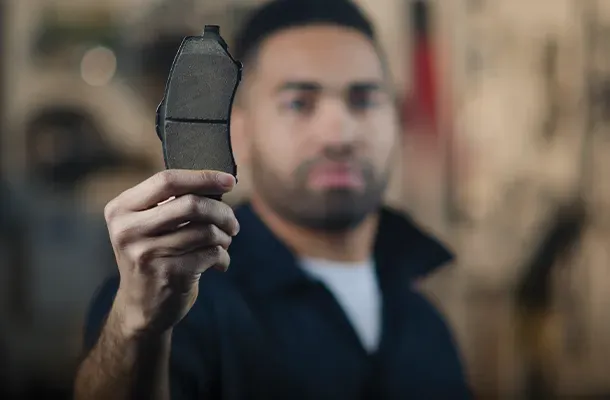
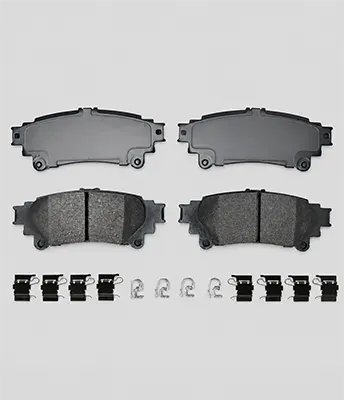
Brake pads are located inside the brake caliper assembly and press against the brake rotor when the brake pedal is applied.
On many vehicles, you can visually inspect the outer brake pad through the wheel openings without removing the wheel.
Use a flashlight to inspect the brake pads
Shine a flashlight through the wheel spokes and locate the brake pad material positioned between the caliper and rotor.
Look for the friction material attached to the metal backing plate.
Check the thickness of the brake pad material
Inspect the remaining thickness of the brake pad friction material.
If the pad material appears noticeably thin or significantly worn compared to a new brake pad, it may be time for a professional inspection and possible replacement.
Look for uneven wear
Compare the visible brake pad surfaces and look for signs of uneven wear.
Brake pads that wear unevenly may indicate additional brake system issues that should be inspected by a qualified technician.
Inspect the brake rotor condition
While inspecting the brake pads, examine the visible rotor surface.
Look for excessive grooves, scoring, cracks, discoloration or other signs of abnormal wear.
Listen for warning signs while driving
In addition to visual inspections, pay attention to changes in braking performance.
Common warning signs can include squealing noises, grinding sounds, vibration during braking or increased stopping distances.
Things to Keep in Mind During Your Inspection
A visual brake pad inspection can provide helpful information about the condition of your braking system, but there are a few important things to keep in mind while evaluating brake wear.
Not all brake pad wear is visible
On many vehicles, you can only see the outer brake pad through the wheel openings. The inner brake pad may wear differently and could require a more thorough inspection to evaluate its condition.
Wear can vary between wheels
Brake pads do not always wear at the same rate across all four wheels. Inspecting multiple wheels can provide a more complete understanding of your vehicle's brake condition.
Brake pad thickness is only part of the picture
While brake pad wear is an important indicator, rotor condition, brake hardware and overall braking performance should also be considered when assessing brake system health.
Listen for changes in braking performance
Visual inspections should be combined with observations during normal driving. Squealing noises, grinding sounds, vibration or changes in braking feel may indicate that additional inspection is needed.
Not sure what to do next?
If your inspection shows uneven wear, noise or anything you’re unsure about, it’s a good time to visit your local dealership. Certified technicians can fully inspect your braking system and confirm whether replacement is needed.
If service is required, they’ll install genuine Mopar® brake pads designed for your Chrysler, Dodge, Jeep® or Ram Brand vehicle—helping ensure proper fit and reliable performance without the guesswork.
Frequently Asked Questions (FAQs)
How often should I inspect my brake pads?
It's a good idea to inspect your brake pads during routine maintenance intervals or whenever your wheels are removed for tire service. Consult your owner's manual for vehicle-specific maintenance recommendations.
What are the signs of worn brake pads?
Common signs include squealing noises, grinding sounds, reduced braking performance, vibration during braking and visibly thin brake pad material.
Can I inspect brake pads without removing the wheels?
Many vehicles allow you to see the outer brake pads through the wheel openings. However, some inspections may require wheel removal for a more complete evaluation.
How thin can brake pads get before they need replacement?
Brake pad wear limits vary by vehicle and driving conditions. If the friction material appears significantly worn, schedule a professional brake inspection.
Should all brake pads wear evenly?
Brake pads should generally wear at similar rates. Uneven wear may indicate issues with calipers, hardware or other brake system components.
What's the difference between genuine Mopar® brake pads and aftermarket brake pads?
Genuine Mopar® brake pads are engineered specifically for compatible Chrysler, Dodge, Jeep® and Ram Brand vehicles. They are designed to provide proper fitment and braking characteristics for your vehicle's braking system.
Can a Mopar® dealership inspect my brakes?
Yes. Your local Mopar® dealership can perform a comprehensive brake inspection and recommend any necessary maintenance or replacement services.