






Cabin Air Filter Replacement
How to Change Your Cabin Air Filter
Learn how to change your cabin air filter with step-by-step instructions, expert tips and guidance from Mopar®.
Find the Right Mopar® Cabin Air Filter
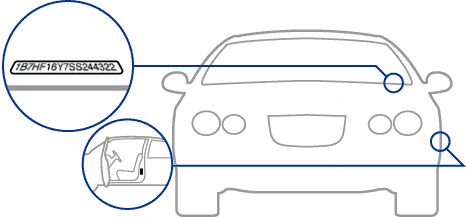
CABIN AIR FILTER REPLACEMENT GUIDE
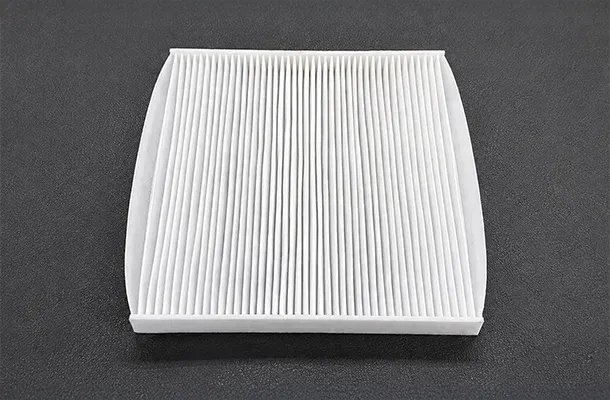
Before You Begin
Replacing a cabin air filter is one of the easiest vehicle maintenance tasks many owners can perform at home.
Before beginning your cabin filter replacement, verify that you have the correct replacement filter for your specific vehicle and model year.
Genuine Mopar® cabin air filters are engineered for Chrysler, Dodge, Jeep® and Ram Brand vehicles and are designed to provide:
- Vehicle-specific fitment
- Proper airflow through the HVAC system
- Factory-compatible installation
- Reliable filtration performance
TOOLS YOU'LL NEED
Most cabin filter replacements can be completed with basic hand tools. Before you begin, gather:
New replacement cabin air filter
Flashlight (optional)
Small trim tool or screwdriver (if required)
Owner's manual (optional)
How to change a cabin air filter: step-by-step
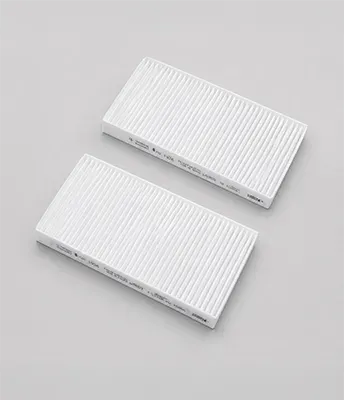
Locate the cabin air filter
The cabin air filter is commonly located behind the glove box or beneath the passenger-side dashboard. Consult your owner's manual if you're unsure of its location.
Access the filter compartment
Open the glove box and remove any contents.
Depending on your vehicle, you may need to release retaining tabs, disconnect a damper arm or lower the glove box to access the filter housing.
Remove the old cabin air filter
Open the filter housing cover and carefully slide the old filter out.
Pay attention to the airflow direction arrows printed on the filter. You'll need to install the new filter in the same orientation.
Inspect the filter compartment
Before installing the new filter, remove any leaves, dust or debris that may have collected inside the housing.
Install the new cabin air filter
Insert the replacement cabin air filter into the filter housing using the correct airflow direction.
The filter should slide into place without excessive force.
Reinstall the filter cover
Secure the housing cover and reinstall any glove box or trim components removed during access.
Test HVAC operation
Start the vehicle and operate the heating or air conditioning system.
Confirm:
- Consistent airflow from vents
- No unusual noises
- Proper HVAC operation
If airflow seems restricted, verify that the filter is installed correctly.
Common cabin air filter replacement mistakes
Even though cabin filter replacement is relatively simple, a few common mistakes can affect HVAC performance.
Installing the filter backwards
Always follow the airflow direction arrows printed on the filter. Installing the filter backwards can restrict airflow and may affect HVAC system performance.
Purchasing the wrong replacement filter
Cabin air filters vary by vehicle make, model, year and trim level. Verify compatibility before installation.
Forgetting to clean the filter housing
Debris left inside the housing can affect airflow and filter performance. Remove any debris before installing the new filter to help maintain proper airflow.
Damaging the filter during installation
Avoid bending or forcing the filter into place. If the filter does not slide in easily, double-check the orientation and fitment before continuing.
Troubleshooting after installation
If your HVAC system doesn't seem to be operating correctly after replacing the cabin air filter, several common issues may be responsible.
Airflow still feels weak
If airflow from your vents still feels weak after replacing the cabin air filter, possible causes include:
- Filter installed in the wrong orientation
- Obstruction inside the filter housing
- Debris remaining in the HVAC intake area
- Additional HVAC system restrictions
I hear unusual HVAC noises
If you hear unusual noises from the heating or air conditioning system after installation, check for:
- Improperly seated cabin air filter
- Loose or unsecured filter housing cover
- Debris inside the filter compartment
- Foreign objects in the HVAC system
I still notice odors inside the cabin
If unpleasant odors remain after replacing the cabin air filter, possible causes include:
- Moisture buildup within the HVAC system
- Mold or mildew inside air ducts
- Debris trapped in the ventilation system
- Additional HVAC maintenance needs
The replacement filter doesn't fit
If the replacement cabin air filter does not fit properly, this may indicate:
- Incorrect filter part number
- Incorrect vehicle application
- Improper installation angle
- Obstructions inside the filter housing
Need a hand? We’ve got you covered.
Even experienced DIYers encounter surprises. If you run into unexpected issues or discover additional repairs are needed, genuine Mopar® replacement parts can help you get back on track. You can also turn to your local dealership for expert assistance. Whether you need the right part, a professional inspection or a complete repair, we're here to help you get the job done right.
Frequently Asked Questions (FAQs)
How often should I replace my cabin air filter?
Refer to your owner's manual for recommended service intervals. Replacement frequency may vary based on driving conditions and environment. You may also want to replace your cabin air filter if you notice reduced airflow from the vents, increased dust inside the cabin or persistent odors from the HVAC system.
What are the signs of a dirty cabin air filter?
Common signs include reduced airflow from the vents, increased dust inside the cabin, musty odors and decreased HVAC performance.
How long does it take to replace a cabin air filter?
Most cabin air filter replacements can be completed in approximately 10 to 20 minutes, depending on the vehicle and filter location.
Can I clean a cabin air filter instead of replacing it?
Most cabin air filters are designed to be replaced rather than cleaned. Consult your owner's manual for maintenance recommendations specific to your vehicle.
What happens if I don't replace my cabin air filter?
Over time, a dirty cabin air filter can become clogged with dust, pollen and other debris, restricting airflow through your vehicle's HVAC system. This may lead to reduced airflow from the vents, increased odors inside the cabin and decreased heating and air conditioning performance.
Is a cabin air filter the same as an engine air filter?
No. A cabin air filter filters air entering the passenger compartment, while an engine air filter filters air entering the engine.
Can a Mopar® dealership replace my cabin air filter?
Yes. Your local Mopar® dealership can inspect your HVAC system and perform a professional cabin filter replacement.