






Engine Air Filter Replacement
How to Change Your Engine Air Filter
Discover how to replace an engine air filter, identify signs of wear and understand how regular maintenance can help protect your engine.
Find the Right Mopar® Engine Air Filter
ENGINE AIR FILTER REPLACEMENT GUIDE
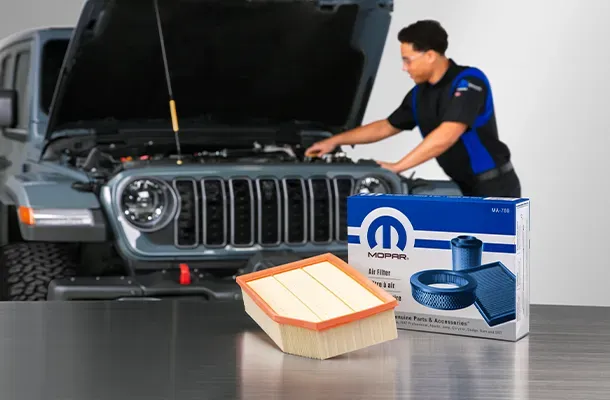
Before You Begin
Replacing an engine air filter is one of the simplest vehicle maintenance tasks many owners can perform at home.
Over time, engine air filters become clogged with contaminants, which can reduce airflow and limit the filter's effectiveness. Knowing how to inspect and replace your engine air filter can help you stay on top of routine maintenance and keep your vehicle operating as intended.
Genuine Mopar® engine air filters are engineered for Chrysler, Dodge, Jeep® and Ram Brand vehicles and are designed to provide:
- Vehicle-specific fitment
- OEM-quality filtration
- Compatibility with factory intake systems
- Reliable performance and protection
TOOLS YOU'LL NEED
Many vehicles do not require specialized tools for engine air filter replacement.
Before starting, gather the necessary supplies and allow the engine to cool completely. Working on a cool engine can help make the replacement process more comfortable and reduce the risk of contact with hot engine components.
Your vehicle’s engine air filter
Clean microfiber towel or shop cloth
Work gloves (optional)
Owner's manual (recommended)
How to change an engine air filter: step-by-step
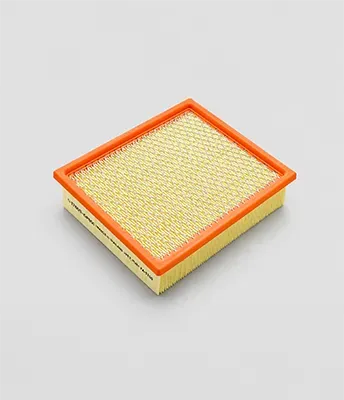
Park and shut off the vehicle
Park on a level surface, turn off the engine and allow engine components to cool before beginning work.
Locate the air filter housing
Open the hood and locate the engine air filter housing.
In many Chrysler, Dodge, Jeep® and Ram Brand vehicles, the air filter housing is a black plastic box connected to the engine intake system.
Open the housing
Release the clips, fasteners or screws securing the air filter housing.
Carefully lift the cover according to your vehicle's service procedures.
Inspect the air filter housing
Inspect the air filter housing for accumulated dirt, leaves, insects or debris.
Wipe away any loose contaminants using a clean cloth. Avoid allowing debris to enter the intake system.
Install the new engine air filter
Place the new filter into the housing in the same orientation as the original filter. Ensure the filter sits properly within the housing and that all edges are seated correctly.
Reinstall the housing cover
Reattach the housing cover and secure all clips, fasteners or screws. Confirm that the housing is fully sealed before closing the hood.
Common engine air filter replacement mistakes
Even though replacing an engine air filter is often a straightforward maintenance task, a few simple mistakes can affect the installation.
Installing the engine air filter incorrectly
Engine air filters are designed to fit a specific way within the housing. Installing the filter in the wrong orientation may prevent it from sealing properly.
Not securing the housing cover
After installing the new filter, make sure all clips, fasteners or screws are properly secured. A loose housing cover can allow unfiltered air to bypass the filter.
Leaving debris in the air filter housing
Leaves, dirt and other debris can collect inside the housing over time. Before installing the new filter, take a moment to wipe away any loose contaminants.
Using the wrong replacement air filter
Engine air filters are vehicle-specific. Always verify fitment before installation to help ensure proper fit and compatibility with your vehicle's intake system.
Troubleshooting after installation
If you encounter issues after replacing your engine air filter, perform a quick inspection before driving.
Air filter housing won’t close properly
After installation, the housing should close evenly and completely. If it doesn’t, remove the housing cover and confirm that the filter is fully seated within the housing. A filter that is not positioned correctly may prevent the cover from closing completely.
Reduced engine performance
If the vehicle feels sluggish or doesn't respond as expected during acceleration, double-check that the replacement filter is the correct part for your vehicle and that it was installed in the proper orientation.
I hear strange noises or rattling under the hood
If you hear a whistling, hissing or excessive air intake noise after installation, the air filter housing may not be fully sealed. A loose air filter housing cover or unsecured fastener may also create rattling noises or vibrations while driving.
Inspect the housing and confirm all retaining clips and hardware are fully engaged.
Need a hand? We’ve got you covered.
Even experienced DIYers encounter surprises. If you run into unexpected issues or discover additional repairs are needed, genuine Mopar® replacement parts can help you get back on track. You can also turn to your local dealership for expert assistance. Whether you need the right part, a professional inspection or a complete repair, we're here to help you get the job done right.
Frequently Asked Questions (FAQs)
Can I replace an engine air filter myself?
Yes. Many vehicle owners can replace an engine air filter themselves because the process is often straightforward and requires few tools. Always consult your owner's manual before beginning maintenance.
How often should I change an engine air filter?
Replacement intervals vary depending on vehicle model and driving conditions.
Factors that can affect filter life include:
- Driving on dirt or gravel roads
- Frequent off-road use
- Heavy construction zones
- High-dust environments
- Seasonal pollen and debris
Always consult your owner's manual for the recommended inspection and replacement intervals for your specific vehicle.
What happens if an engine air filter gets dirty?
Over time, dirt and debris can accumulate within the filter media, reducing its ability to effectively filter incoming air. Following your vehicle's recommended maintenance schedule can help ensure the filter continues to perform as intended.
Is an engine air filter the same as a cabin air filter?
No. An engine air filter helps protect the engine by filtering air entering the intake system, while a cabin air filter helps filter air entering the passenger compartment through the vehicle's heating and air conditioning system.
Why choose a genuine Mopar® engine air filter?
Genuine Mopar® engine air filters are engineered specifically for Chrysler, Dodge, Jeep® and Ram Brand vehicles. They are designed to provide vehicle-specific fitment and compatibility with factory air intake systems, helping simplify installation and maintenance.
Can a Mopar® dealership replace my engine air filter?
Yes. If you prefer professional service, your local Mopar® authorized dealership can inspect and replace your engine air filter using a genuine Mopar® replacement filter designed for your vehicle. During your visit, technicians can also inspect other maintenance items and help identify any additional service needs that may require attention.